


I call this blog the resilient creative because a.) creative resilience was already taken and b.) I like to think that I know a thing or two about resilience.
Part of resilience is about finding ways to deal with failure. And I often feel I have failed more than most people I know. Is that true? Maybe not, but it sure feels like it.
As writers, we can get rejected, which I think is the most straightforward way of failing. Or, we can fail by quitting or comparing or not believing in ourselves.
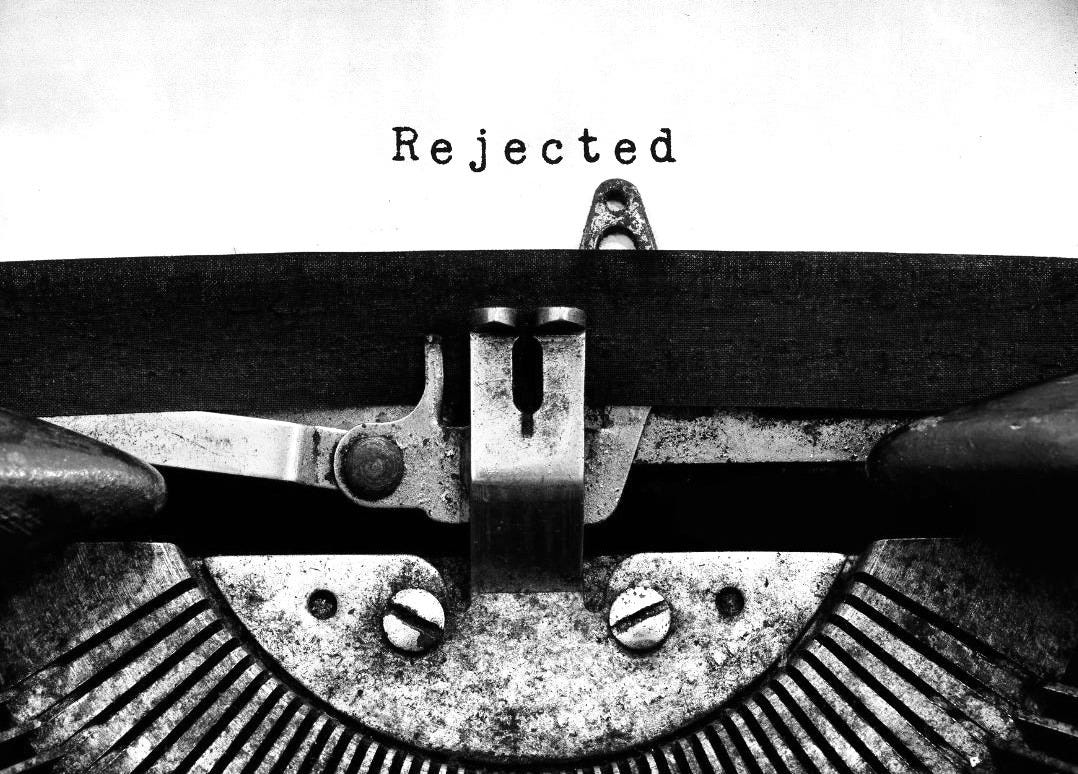
I was recently asked to help create a class for undergraduates at OSU that centers on resilience and, specifically, how to bounce back from failure.
To go beyond the empirical, I’ve been diving into studies and therapies and business theories and poetry and interviews to come up with the most engaging way of helping students understand what makes a person able to handle failure and even thrive because of it (rather than despite it).
Especially when the failure is recurrent. (What do we do then?)
As mentioned, I fail a lot. Writers do. I have piles of rejections. In fact, as I started packing to move, I found a little chest full of paper rejections from the years I first started submitting my writing to literary journals in my 20s. The chest was full.
I’ve had books flop and publication processes go horribly. Once, in my late twenties, a story I thought was my greatest work to date was published in a college journal I won’t name. It was a print journal from a prestigious place, and due to a lot of experiences I won’t name here, I wanted every word to be perfect. I edited and proofed and had friends check it.
When my copy came in the mail, I felt the bubble of excitement as I tore open the envelope. The journal itself featured a poignant image and felt silky to the touch. I flipped to my story and saw the title and smiled, then I read the first line. Typo.
I’ve failed at jobs. I’ve failed at getting jobs. I’ve failed as a friend. I’ve failed in initiatives as a business owner (I tried to put on a literary conference for Unleash last year that utterly failed). I’ve failed myself in conversations. I’ve presented job proposals to get funding I desperately needed and was ignored. I’ve had relationships with agents and friends fall apart. I’ve been ghosted, notably by my best friend when I was in my early 20s. I’ve been illogically upset numerous times due to a failure of emotional regulation.
Failure is not fun. And even if you’re used to it, the numbness of perseverance is not real. Unless you’re heavily medicated, it hurts.
“Ever tried. Ever failed. No matter. Try again. Fail again. Fail better.” —Samuel Beckett
In my research, and while reflecting on my life experiences (which a blurber of my forthcoming essay collection called “tumultuous”), I realized what it takes to fail … if not well, at least with some artistic flair.
I can break this down more. Here are some of my notes and observations over the last weeks:
Meditative perspective. Don’t quit. Or quit. Either way, don’t be hard on yourself. You can come back. You can always come back to the present, and despite the memes, it’s okay to also stay in the past or future at times. It’s how we reconcile it all.
Social perspective. Comparison and competition can kill fun and make a person forget why they do the thing. My only advice here is a social media fast. And a call or email to the person who has something you covet that thanks them for their contributions in the world.
Research perspective. A course on failure at Duke University applies the nine-dot puzzle, which has been around since 1907, to help people think about limitations and how to redefine it. Exercises like this can be frustrating in of themselves if we don’t figure it out right away. (I didn’t, and I like to think of myself as a wildly creative person.) The point is, even creative people fall into patterns of thought.

Practical perspective. Failure and disappointment are real. We can fail in many ways. We cannot avoid it by not having goals or not trying because not trying in of itself is a failure. So, if either path leads to failure, let’s return to Beckett’s words.

As we get better at watching our own patterns of thinking, we can identify expectations that don’t match reality. We can shatter expectations and create from a place that’s more complex than success/failure. And this is when we can trust ourselves. This is when we open up new worlds and find a strange beauty in failure.
𓂃 ོ☼𓂃
This post is public, but I would be grateful if you’d support by considering a paid subscription or donation; alternately, share it with a friend, a writer, or anyone who needs a reframe.
𓂃 ོ☼𓂃
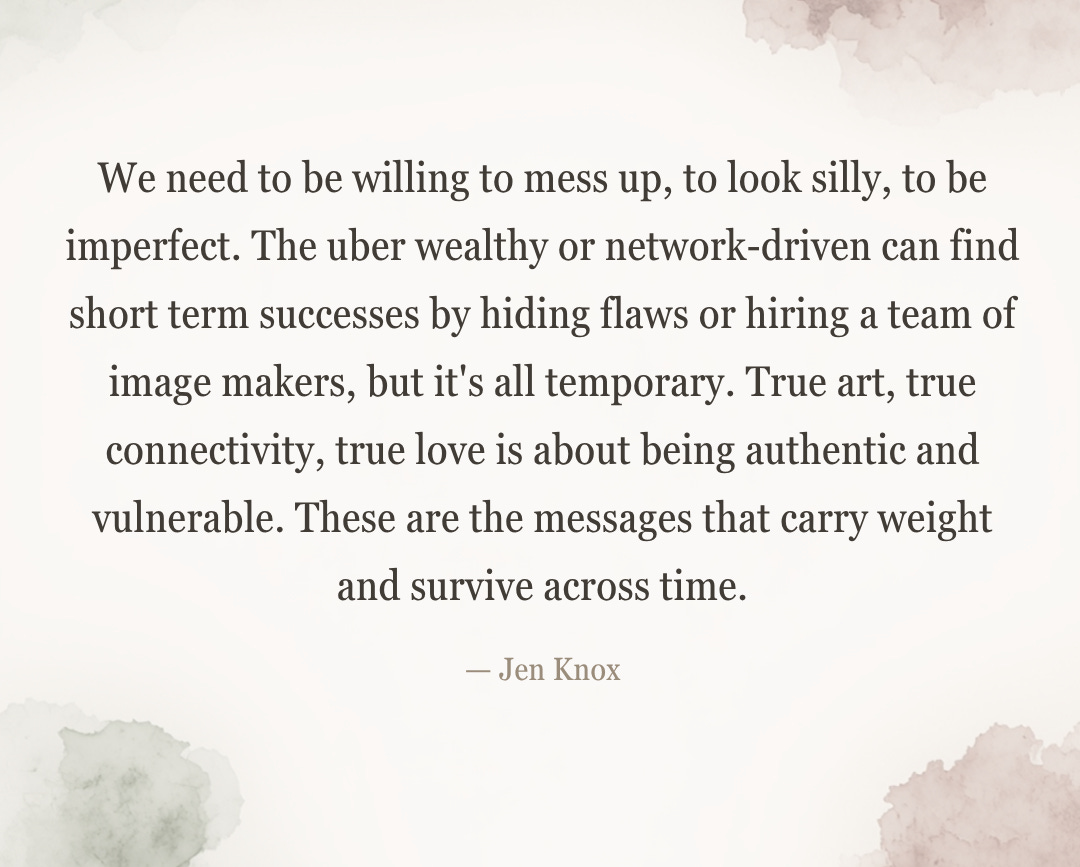
Prompt: List a few of your failures with the awareness that failure = human experience. Failure = Living.
Pick one and write in any genre, just using the failure itself as a catalyst. I’ll do this with you. Here’s the mishap from my childhood that I plan to expand on.
🎤︎︎
P.S. - Next time I post, it’ll be from my new house. Till then, fail well, and please tell me about it.
This is so amazing to read. Yes, we need to speak about resilience and find practical ways to get through, but I'm so glad you include the flip side: "Failure is not fun. And even if you’re used to it, the numbness of perseverance is not real. Unless you’re heavily medicated, it hurts." Yes! Thank you for your writing!
This is so fantastic. I think of all the doors I never would have peeked through or forced open if not for the "failures" before. And love your quote about true art being imperfect. The flaws are what separate the humans from the machines (among many other things).