


There’s something remarkable about a writer’s ability to move across and through time.
This can be acheived in any form, but I find the dual narrative a powerful entrypoint. There’s a level of craft and attention needed, which we’ll dig into, but there’s also an emotional undercurrent to the process of taking on two perspectives to tell a single story.
When we can escape the trappings of a narrow point of view, after all, we find a little more creative freedom. And it is my belief that the best stories (and arguably, the best people) do not dwell in a single perspective, even if they do have a clear personality and belief system. They are open, curious and willing to examine the other side of any system.
“All it takes is just a little change of perspective and you begin to see a whole new world.” — Bob Ross
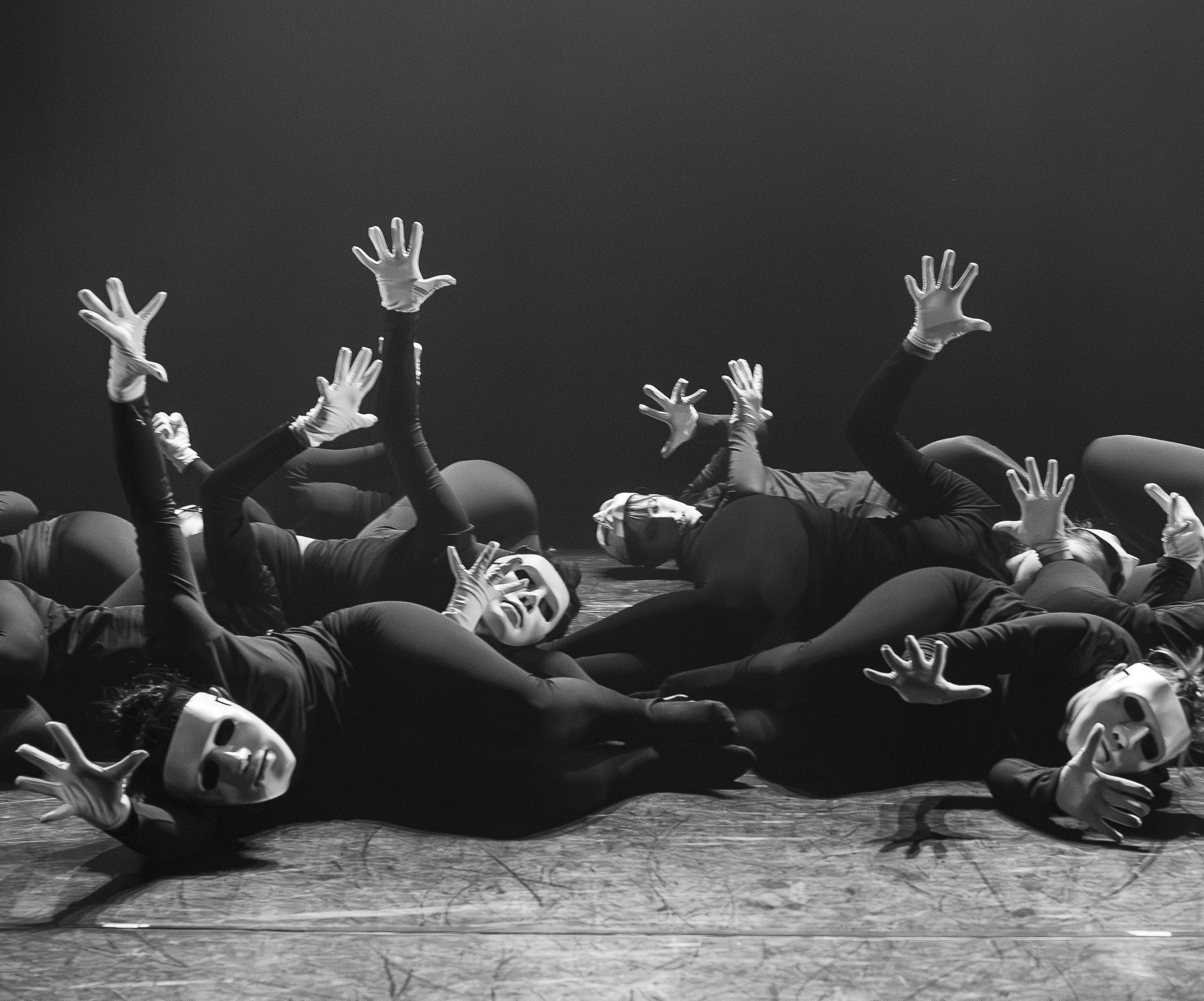
Then there’s the challenge of actually pulling this off. To show an expansive yet emotionally close narrative view of the world means finding a way to harmonize the two.
I’ve always been drawn toward dual narratives in fiction. A novel with two voices can offer a single story more depth and curiosity, especially when we’re looking at difference (and similarity) across time.
But, writer friends! It is a lot of work.
I felt I had no choice but to do it. My narrative is about a woman in our confusing modern age who is protesting the build of another data center in her small rural hometown as she studies a woman in the 19th century whose unlikely political career inspires her. The connection between the two is just as important as their contrast.
To prepare, I read a few contemporary dual narratives, including The Lost Apothecary, which I was attracted to because of the premise (an apothecary in 18th century England secretly dispenses poisons to help abused women poison their abusers). There are three different narrators here, across time, and they were all compelling enough to follow. As a reader, however, I had my favorite voice.
I was most gratified by the apothecary herself because she was most mysterious, but as a writer I also saw the value of offsetting this voice with a new perspective to maintain that mystery.
And here’s the thing. It’s almost impossible to not want to stick with a particular narrator if the characterization is done well. That delayed gratification—to get back to the other voice—can be leveraged.
The trick writing dual (or multi) narratives is that all characters have to bring equal weight in value to the overall experience of the book. For me, this was a challenge, and if you know anything about Victoria C. Woodhull, you know her energy is tough to match.
My modern-day character, Avery, is sure of herself but constantly rejected. She has more freedoms than Vicky, but she can’t seem to achieve anything. Meanwhile, her mother is suffering from memory problems that challenge the family. Avery takes solace in Victoria’s tale and tries to sustain the same level of self-belief but struggles. She’s a character with a clear story, but how to make her a compelling character?
That was my big puzzle to solve.
I went back and forth about removing Avery altogether and keeping the tale a fictional retelling of VCW. It would have been so much more straightforward, but I chose the dual narrative because I like to see relationships form across time and explore the cycles that repeat themselves (please read my book and try to ignore the parallels between 19th century Robber Barons and today’s oligarchs, for instance).
So, I’m not sure I’m in a position to give advice as my process was a little messy, but I found after much trial and error that to write both timelines separately with an idea of how they intersect made more sense for me. Otherwise, I would get too caught up in one or the other.
Here are a few recommendations:
Focus on the unique offering of each voice, not the balance. They will never be perfectly matched in your or anyone’s mind.
If you are called to have more than one perspective in your novel, don’t let anyone talk you out of it!
Try writing both perspectives seperately first.
Be willing to invest a little more in the outlining process, and be flexible—whether you do this before you write or after, develop a clear overview of where the stories will transition and where you can plant connections.
Have fun. It’s not torture. It might be some days, but mostly not … really. It’s okay. It’s really okay.
The benefits to a dual timeline include more perspective, more questions, more depth. The challenges are keeping interest, not pissing off a reader who is curious to see what happens next, and harmonizing the content without obsessing about how they match up against one another.
If you’re a writer, do a little exercise with me.

Prompt: Write a short scene in which you have at least two characters facing a challenge. Focus on one of the character’s perspectives of that scene.
Now, write from the other character’s POV looking back a year from the scene, remembering it either fondly or not so fondly.
Let me know how it goes. Let me know if it brings a little more perspective.
Speaking of harmonization, I recently participated in a podcast interview in which the interviewer called me “The Fort Knox of Tranquility,” which I rather loved. I’ll be sharing that here soon. It was one of the more interesting conversations I’ve had about the book so far.
In the meantime, I’m offering you a practice I posted to Insight Timer that uses breath to find balance - calm energy, not adrenaline. Please accept my sincere gratitude for your support. I ask that if you are able, become a paid subscriber, share this post, or give it a like so I know you’re here.
🎤︎︎
Invite!!
This Saturday at 5 p.m. ET (on my birthday weekend), you are invited to hear my slam story through the lens of the very first presidental election I participated in. This story is fierce, and I’ll be sharing the stage with amazing women at Wham! Bam! Thank You! Slam! Join us!! Thank you to Nan Tepper for hosting and championing so many voices (while being an amazing storyteller herself).

Another invite!!
I’m looking for a few early readers of my book. A “street team” if you will. If you are interested and want to see how/if I pulled off this dual narrator thing, let me know (jenknox395@gmail.com) and I’ll send info. I’ll post the FINAL book cover here soon.
I admire you writing in this style! I have recently found myself reading some of these books through my participation in the book club at Ekphrastic Review. I've read two in a row and I always marvel at the writers' ability to keep each narrator's voice and story strong held together through the string that connects them. And the different time periods. Congratulations! I cannot wait to read your book and hear more about your process!